
Written by Angie Gonzalez-Smith, principal, Academia Católica Bilingüe, asmith@omahacsc.org
Although the origin of Día de Muertos is indigenous, Spanish missionaries coming to Mexico introduced the influence of the Catholic faith to the custom. This blending of native practices and Christian theology is known as syncretism. The indigenous festival of the dead, All Saints Day, and All Souls Day eventually merged into the tradition we know today.
Meaning and Traditions of the Ofrenda
Día de Muertos is not a day where the dead are worshipped, but one of remembrance, and often this is done through the creation of an altar (ofrenda). The ofrenda is a way of acknowledging our deceased loved ones by displaying photos, religious images, candles, food, and personal belongings, and is an act of love and honor. Marigolds (cempasúchil) are displayed because of their bright color and pungent smell; they are thought to guide the way for the deceased. Traditional Papel Picado (Cut Paper Decorations) banners adorn the altar as well.
Catholic Practices and Prayer
Each region of Mexico has its own way of celebrating this special time of remembrance. In Michoacán, at Lake Pátzcuaro, there is a beautiful tradition: on the night of November first, fisherman gather and go out on the lake in their boats with nets and candles to create a visually stunning sight for all to see. For many, the offering of prayers and Masses for our loved ones is in keeping with the Church’s tradition of praying for the dead and for the poor souls in Purgatory so they may continue to heaven. All Saints Day and All Souls Day help us unite with the deceased through intercessory prayer and love.
A Tradition Beyond Mexico
Although the custom originated in Mexico, the colorful and vibrant tradition has become one of the most beloved cultural expressions among many Hispanics. The Disney movie “Coco” brought the tradition to the mainstream, and people from many cultures now enjoy participating, even creating their own ofrendas at home. Other traditions include Pan de Muerto (Bread of the Dead), calaveras (skulls), and Papel Picado (Cut Paper Decorations). In Guatemala, colorful kites are flown to communicate with deceased loved ones, while in Peru and Bolivia, special dishes are prepared. Each culture and family have their own traditions, including visiting gravesites to clean and decorate them with marigolds, candles, and offerings. Families share stories, laughter, and tears as they remember their loved ones. These traditions are passed down to their children for generations to continue to honor those who have gone before them.


Celebrating at the Dual Language Academy
At the Dual Language Academy, a Catholic Spanish dual-immersion PreK-7 school in Omaha, we create a community Ofrenda each year, which is displayed in the Narthex of the church. We invite school families and parishioners to bring a photo of a deceased loved one to place on the Ofrenda so we can pray for their souls as a community. Each year, as our school grows, so does our Ofrenda! This year, we will have families create mini shoe box ofrendas that honor their own family. We will connect them to make a large display at the entrance of the school. “Somos Familia” (We are Family) is our school motto and this new display brings our motto to life. This family project will include guided questions to lead family discussions about the connection to our faith through culture, no matter what their cultural heritage is.
Honoring Loved Ones Through Faith and Culture
Día de Muertos is more than a commercial holiday; it’s a powerful cultural expression of memories, cultural identity, and faith. This year, express your own family’s cultural history by creating a family ofrenda honoring your deceased loved ones and praying for their souls.

About the Author
The blog was provided by Angie Gonzalez-Smith, principal at the Academia Católica Bilingüe (Dual Language Academy – DLA). Angie has been a driving force behind the academy’s growth and success. Since opening in 2018–2019 with 83 students, enrollment has climbed to 263 last year—and it continues to grow. DLA stands out for its cultural diversity among both students and teachers, as well as its strong record of academic achievement.
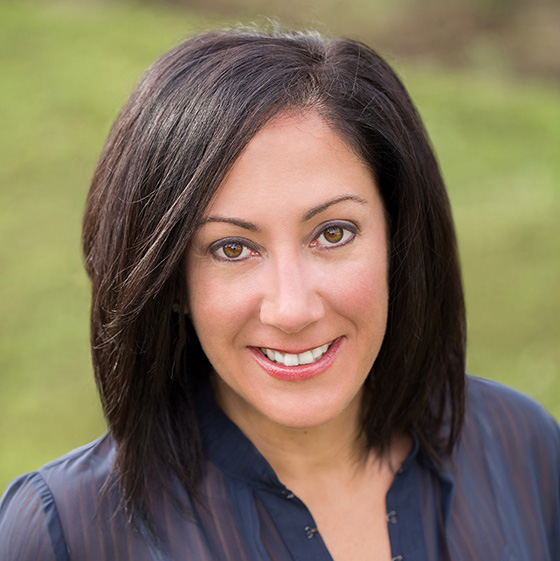
Connect with Maria Del Amo
If you’d like to learn more about how we can support and engage Hispanic and Latino families in Catholic education, I’d love to connect! Feel free to reach out to me at maria@ncea.org.
